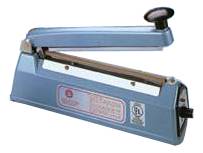
Do you have an odd sized object or need to carry your sealer around to seal? Check our our new FKR-A series portable impulse sealers. These sealers are lightweight and easy to use anywhere.
Available in 8″, 12″, and 16″ seal lengths
7ft long handle cord allowing maximum moveability
Double 5mm seal to seal thicker materials – up to 30mil in thickness
Q: I bought a sealer and now the sealer isn’t working! Can you help me?
A: Why, of course we can! We are the sealer experts and can assist you with any sealer problem. Most often, the problem is a simple fix. All you need is a screwdriver, unplug your machine and follow our quick little troubleshooting steps.
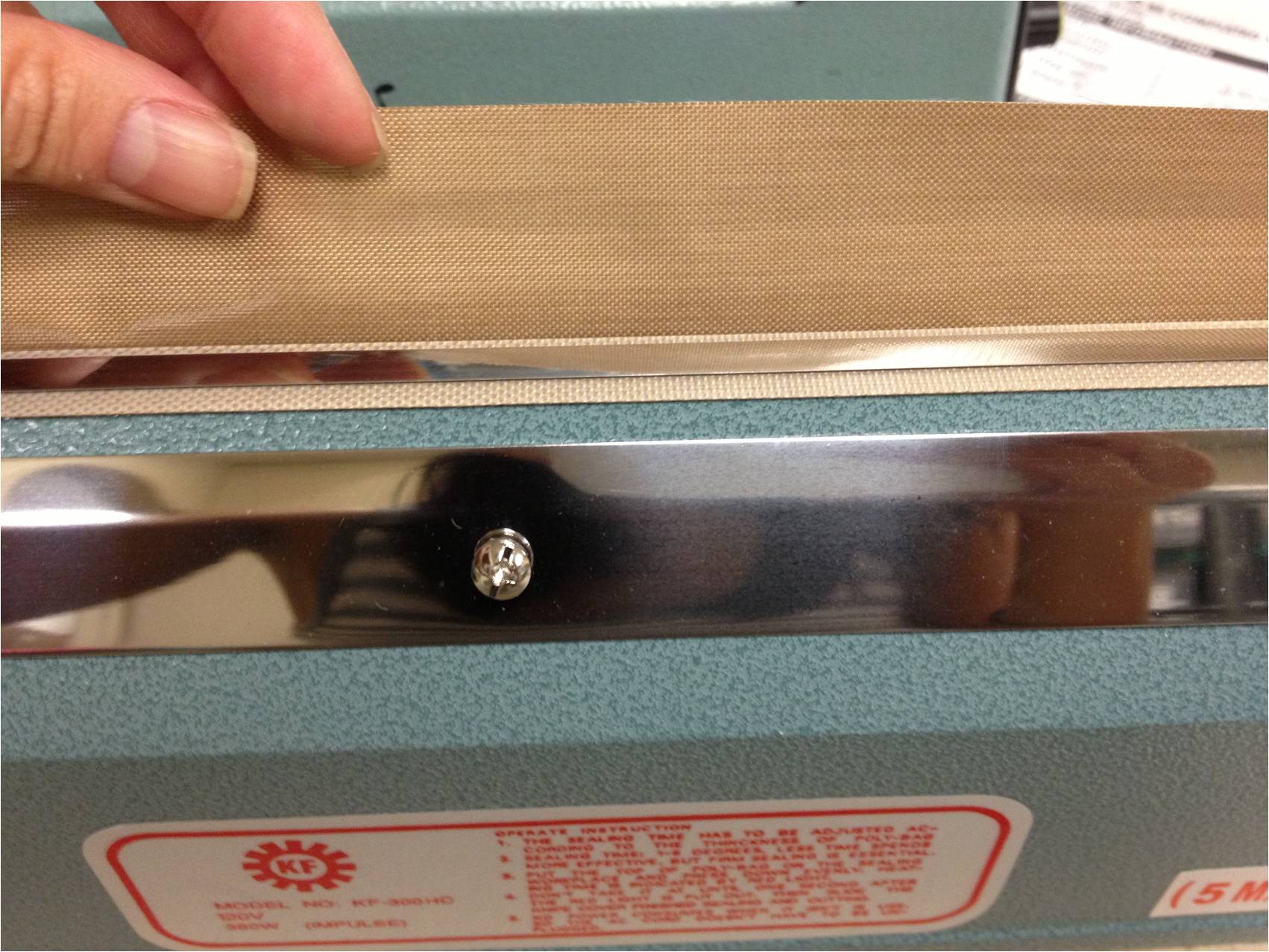
Using a screwdriver, loosen the PTFE metal plate and untuck the PTFE cover.
1. Is your heating element / wire broken?
– This is the wire (flat or round) that heats up to seal or cut the bag/film. Remove the PTFE cover and check that the wire is not discolored, bent, or broken.
Check the wire. Make sure the wire runs fully across the sealer.
2. Do you hear the “click” of the microswitch activation?
The microswitch allows the electricity to pass to the heating element which in turn heats up and seals your poly material. Sometimes the microswitch moves out of alignment during shipping and needs a simple adjustment to get the unit back to proper working order.
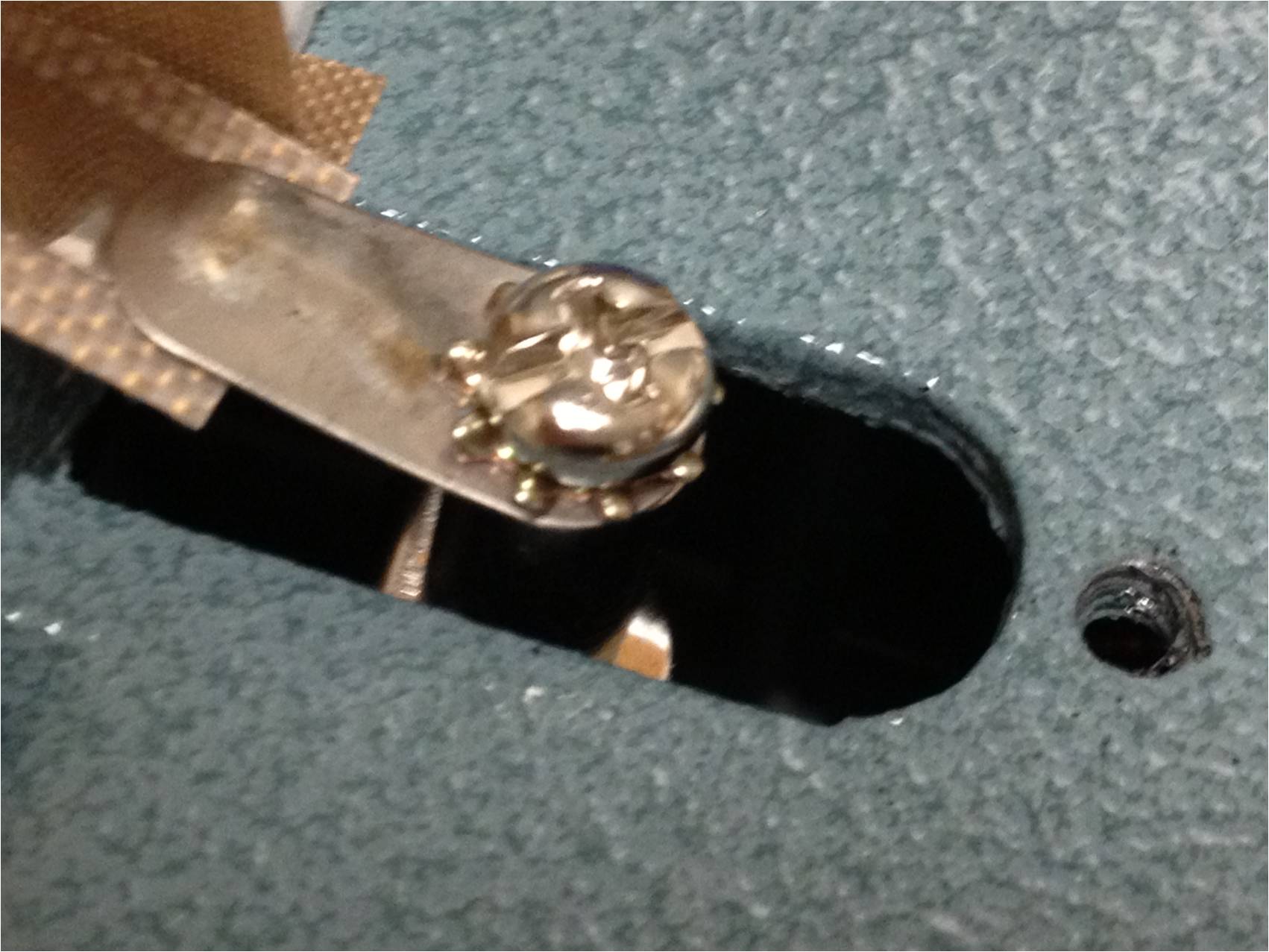
Remove the bottom plate to locate the microswitch
If you do not hear the “click” of the microswitch, you will want to locate the microswitch and make sure the arm operating bracket touches the microswitch when the sealer arm is brought into contact with the sealer base.
Carefully push the microswitch level to ensure that the level comes in contact with the microswitch trigger.
Carefully push the microswitch level to ensure that the level comes in contact with the microswitch trigger.
Mounting Springs hold the elements on both ends.
3. Are the mounting springs (holding the elements) in tact and in good condition? Make sure that the spring the element mounts on is intact. Replace if damaged. Please check also that the mounting spring is not rusted or worn in any way as this will prevent the element from conducting heat.
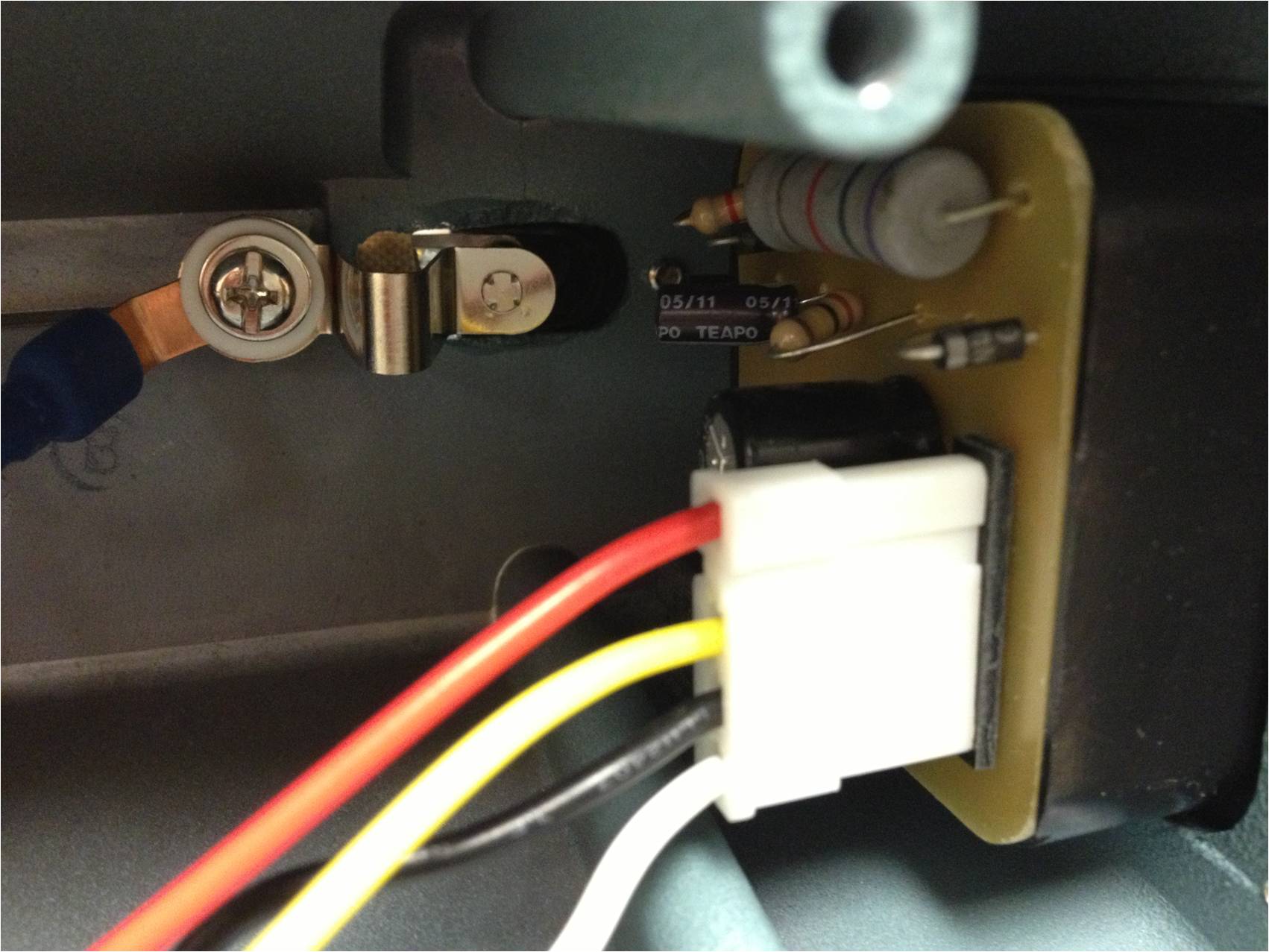
Make sure there are no loose connections to the timer.
4. Does the timer light come on when you bring your arm down to meet the base of the sealer? The light on the timer should come on briefly when the seal bar is brought down for sealing. If it does not come on, there maybe some loose wires or the timer may need replacing
We have two types of sealers that offer a “cut” option: a cut and seal sealer (aka a sealer with a round wire) OR a sealer with a sliding cutter. Please take a look at the two options to determine which sealer works best for you. If you have questions, please contact us or one of our distributors!
Seal and Cut Sealer
A seal and cut sealer is most often used in shrink wrapping film and bags. When using a seal and cut sealer, any excess material above the seal is cut off creating a clean seamless seal.
Seal and Cut Sealer (Round Wire)
When purchasing a seal and cut sealer, ask for an impulse sealer with a ROUND wire instead of a flat wire. Flat wire sealers create seal widths such as 2mm, 5mm, or 10mm seal widths. Round wires create no seam.
If you already have a 2mm sealer, you can easily purchase a round wire heating element and convert your sealer to a cut and seal sealer. Please note: ONLY 2mm sealers can be converted, a 5mm or 10mm sealer CANNOT be converted to a round wire. See our instructions on how to change your heating element wire.
Sealer with Sliding Cutter
Now, a sealer with a sliding cutter is most often used to trim a bag length or seal poly tubing. A sealer with a sliding cutter is equipped with a blade which will cut any excess material about 1/4″ from the seal line.
We carry sealers with cutters in a 2mm and 5mm seal width. We recommend using a 2mm for sealing materials 3-5mil thick (6-10mil total) and 5mm seal width for sealing materials 6-10mil thick (12-20mil total).
Why Shrink Wrap? Shrink wrapping is an excellent and easy way to package a product without the need to purchase a lot of expensive equipment. Shrink wrapping provides:
Crystal clear sealed packaging
Protection from dust and moisture
Tamper proof packages
What Do I Need to Shrink Wrap? All you need to shrink wrap is
Shrink material which comes either as rolls of film or shrink bags
Hand impulse sealer (w/round wire), and
Heat gun
How Do I Shrink Wrap?
Insert your product between the fold of film or into a shrink bag
Using your sealer, cut off excess film and seal the ends of your film closed
Shrink the film on all sides using a heat gun
How Do I Determine the Right Film?
Measure the width and height of your product and add 5-10% to the measurement. This provides you with your minimum shrink bag width.
Measure the length and height of your product and add 5-10% to the measurement. This provides you with your minimum shrink bag length.
For shrink film (usually sold as centerfold film), take the smallest figure of the two to determine the shrink film size needed.
If the size you needs is not available, a larger size can be used because shrink films will shrink up to 40% in all directions
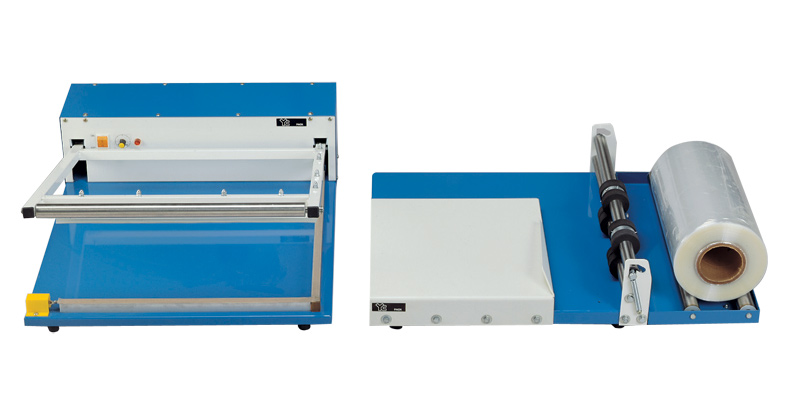
Need to Shrink Wrap Faster? If you are looking to shrink fast your product even faster, we have L-bar sealers which cut and seals two sides of the film in one motion.
We created this troubleshooting guide to help with our most frequently asked questions regarding sealers.
Impulse sealers (hand, foot, automatic) work in a similar manner – often, if you are having a problem with your sealer, the solution can be found in the following parts: heating element, PTFE adhesive, PTFE cover, microswitch, mounting spring, and/or timer. Let us know if you have a problem that isn’t listed in this guide and we can try and assist you.
Check element and PTFE cover and adhesive.
Element: This is the wire (flat or round) that heats up to seal or cut the bag/film. Remove the PTFE cover and check that the wire is not discolored, bent, or broken.
PTFE Adhesive: This is the 1/2″ piece with an adhesive backing UNDER the heating element. It should extend past the seal area 1/2″ on either side because it is the barrier between the metal machine and the metal heating element. For the PTFE adhesive, you must replace the bottom sealing strip whenever you change the element. The adhesive serves as a barrier between the heating element and the sealer’s body. When the sealer’s heating element has burned through the bottom adhesive and arc’ed on the sealer’s body, the element will break as well as destroy the timer.
PTFE Cover: The PTFE cover that goes over the heating element must be whole to prevent the plastic bags or film from sticking to the element. For the teflon cover, we recommend changing the cover BEFORE it burns through. As the cover wears, you will see a discoloration where it comes into contact with the element, you may also notice that your element is sticking to the thermoplastic material you are sealing. You can maneuver the cover back and forth to allow the element to come into contact with the unused portions of the PTFE cover. If you are sealing/cutting a thicker plastic material (higher amount of heat) you may go through a lot of PTFE covers.
Listen for “click” from microswitch when pushing bar down. This click should occur right before the upper bar comes into contact with the lower. If there is no click try the following:
Hand Sealer: Slightly bend metal switch lever so that when arm of sealer is brought down, the lever makes contact with microswitch and a click can be heard.
Foot Sealer: Small bolt for limit switch must be tightened as needed to make contact with the microswitch.
Auto Sealers: A 3.5″ screw that is mounted on upper jaw must be loosened so that it will make contact with microswitch which is mounted on left side of hinge bracket.
Mounting Spring: Make sure that the spring the element mounts on is intact. Replace if damaged. Please check also that the mounting spring is not rusted or worn in any way as this will prevent the element from conducting heat. Mounting springs can be purchased here.
Timer Light: The light on the timer should come on briefly when the seal bar is brought down for sealing. If it does not come on, the timer PC board probably needs replacing. Timers can be purchased here, but contact us if you cannot find the timer you are looking for.
We will continue to post additional new videos of our products but see our links to current videos. You can also visit our YouTube Channel here or visit our website.
Regular maintenance of your impulse sealer will ensure the longevity of your sealer. After using between 1,000-5,000 seals, it is normal for the heating element (wire) to break . The number is dependent on your timer setting and will vary from user to user. Regularly replacing your sealer’s heating wire, PTFE adhesive (sticky brown protective skin under the element), and the PTFE cover (brown protective skin over the element) is essential for your sealer’s health and well-being.
An impulse sealer’s PTFE adhesive serves as a barrier between the heating element and the sealer’s body. When the sealer’s heating element has burned through the bottom PTFE adhesive and arc’ed on the sealer’s body, the heating element will break and may also damage the timer.
**When replacing the heating element, you MUST also replace the bottom PTFE adhesive. Make sure the PTFE adhesive is 1/4″ and 1/2″ past the machine on both ends. This prevents the heating element from coming in contact with the sealer’s body.
Good seals require not only enough heat to melt a bag together, but also enough cooling time to allow the seal to set. Our most common complaint is that a sealer is not creating a good seal and 99% of the time, the operator is not holding the arm down long enough to allow the seal to cool and set. Manual impulse sealers such as your hand or foot sealer require a congeal or dwell step to create a proper seal on your bag or film. To achieve the best seal, hold the arm or upper jaw of your sealer down for an additional 2-4 seconds after the signal light has turned off to allow the seal to cool and set.
Follow our simple instructions below and you will get great looking seals!
1) Set the timer at 3 and place your bag on the seal surface.
2) Bring the upper jaw and seal arm down on the bag and hold in place until the timer light goes out and continue to hold the upper jaw or seal arm down for an additional 2-4 seconds to set or congeal the seal.
3) Lift the upper jaw or seal arm; test the bag or film. If the seal is strong, the timer setting is correct. Increase or decrease the timer setting slightly and test again until you achieve the perfect seal.
**Higher timer settings and thicker materials require longer congeal times.
**Following the above instructions will lengthen the life of all the parts.
Sealer Sales has been in the sealing business for over 30 years....we know our sealers! Our blog is dedicated to educating you all about sealers: how to choose a sealer, how to use a sealer, how to repair a sealer, and much more!
Our distributor base is all over the US, Canada, and Mexico. Please contact us for a distributor near you.














 sealers101