
We have created a couple of glossary reference guides for our distributors. There are so many terms to remember that we sometimes we forget too!











About Sealer Sales
Sealer Sales has been in the sealing business for over 30 years....we know our sealers! Our blog is dedicated to educating you all about sealers: how to choose a sealer, how to use a sealer, how to repair a sealer, and much more! Our distributor base is all over the US, Canada, and Mexico. Please contact us for a distributor near you.



Archive
- Bag Sealing 101
- Carton Sealing 101
- Come Visit Us at Pack Expo 2025
- Shrink Wrapping 101
- Engineered for Excellence
- Extend Your Reach with W-Series Long Hand Sealers
- Sealer Sales Custom Band Sealers
- Highlighting our Vacuum Bags
- Highlighting our Polyolefin Shrink Film
- Happy Thanksgiving
- Happy Labor Day
- NEW PRODUCT: Band Sealer with Ink Jet Printing
- Happy 4th of July
- Introducing our 2023 Catalog
- Product Highlight: Band Sealer with Vacuum / Gas Flush
- Happy Holidays
- Happy Thanksgiving
- Product Highlight: WNC2 Pass Thru Sealers
- Happy Labor Day
- Product Highlight: WN-900C – Foot Sealer with Cutter
- Product Highlight: CS-6050 Carton Sealer
- Happy Independence Day
- Distributor Highlight: Dupre Solutions
- Product Highlight: HL-M1120LD Band Sealer
- Happy Memorial Day
- Product Highlight: UHSS-8 Tube Sealer
- Carton Sealers Explained
- CBS-880 Band Sealer: All Your Questions Answered
- Happy Holidays from Sealer Sales
- Happy Thanksgiving
- Sealer Sales Closed for Memorial Day
- In Observance of Labor Day
- When to Invest in a Pallet Wrapper
- In Observance of Independence Day
- In Observance of Memorial Day
- The Importance of Stocking Spare Parts
- Happy Holidays
- Happy Thanksgiving
- Happy Labor Day
- New Product: Dot Line Sealer
- Happy 4th of July
- Happy Memorial Day
- Come Visit Us at Natural Expo West
- Happy Holidays
- Primer on Shrink Wrapping
- Happy Thanksgiving
- Happy Labor Day
- Come Visit Us @ PACK EXPO
- Sealer Sales Featured in PRISM Summer 2019 Issue
- Happy July 4th!
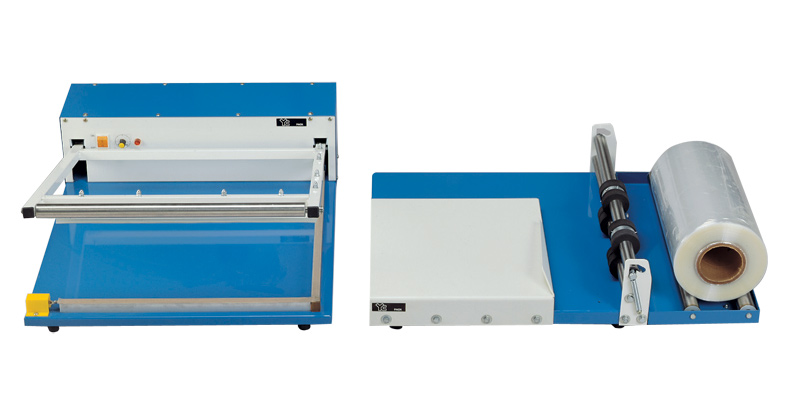
- Introducing our All-in-One L-Bar Shrink Tunnel Combo
- Happy Memorial Day
- Vacuum Chambers Explained
- How to Seal and Cut Using our Sealers
- New Product Introductions
- Highlighting our Channel Vacuum Bags
- Product of the Month: Air Pillow Machine
- Product of the Month: HVC-260T Vacuum Sealer
- Happy Thanksgiving
- Come visit us at PACK EXPO
- Come visit us at PACK EXPO 2018
- Happy Labor Day
- Distributor Highlight: Pack Secure
- Come Visit Us at Coffee Fest
- Happy 4th of July!
- New Product Introductions
- Sealer Sales will be closed on Memorial Day
- Sealer Sales Gives Back
- A Quick Primer on Heat Sealers
- Check out our New Look
- Sealers for the Medical Industry
- Happy Holidays
- Vacuum Sealer Options Explained
- Happy Thanksgiving from Sealer Sales
- New Product Introductions
- Come visit us at PACKEXPO 2017
- Distributor Highlight: Stapler Warehouse
- Subscribe & Save
- Happy 4th of July
- Highlighting our Double Impulse Sealer w/ 5mm Seal Width (Model No. W-300T)
- Industry Highlight: Tea Packaging
- Visit Us @ World Tea Expo
- New Product Introduction: WN-7510H
- Visit Us @ MJ Business Expo
- Industry Highlight: Jerky and Meat Snacks Packaging
- Shrink Wrapping is Back in Full Force!
- Visit Us @ Natural Products West Expo
- New Flexible Packaging Products: Child Resistant Bags
- Highlighting our Custom Band Sealer with 30mm Seal Width
- Introducing our Full Line of Carton Sealers
- Happy Holidays – Sealer Sales Holiday Hours
- PACK EXPO 2016
- Come visit our booth in Chicago
- “Pouch-ization” of the world
- Ideal Sealers for the Medical / Dental Market
- Shipping Rates to Increase
- PRODUCT OF THE MONTH: FS Foot Sealers
- Sealer Sales referenced in ThomasNet Buying Guide
- Best Practice: What the Heck Does Congeal Mean?
- PRODUCT OF THE MONTH: Metal Detector
- PRODUCT OF THE MONTH: MC-300
- Shipping LTL Freight
- Visit Us at PACK EXPO 2016 for FREE!
- KOOEE!® Super Snacks Uses Sealer Sales Band Sealers
- Distributor Highlight: DPB
- PRODUCT OF THE MONTH: VV1600 VACUUM SEALER
- Over 1 Million Views on YouTube
- PRODUCT OF THE MONTH: UHSS-8 Tube Sealer
- Hot Stamping Services
- NEW PRODUCT: DUAL-SHIELD STAND UP POUCHES
- California Crisps Seals with our Band Sealers!
- PACK EXPO 2015 – Booth S-7165 – Visit Us!
- SEALER SALES VIDEO SERIES: Band Sealer Maintenance – How to Use Dry Ink Coding
- Refresher Course: How to Use a Heat Sealer
- Visit us at PACK EXPO Las Vegas for Free!
- Not all Bags are Created Equal (Quick Lesson on OTR)
- PACK EXPO Las Vegas – September 28-30, 2015
- PRODUCT OF THE MONTH: Great Alternative to Void Fill
- How to Choose a Sealer
- Band Sealers: Embossing or Dry Ink Coding
- A Conversation with ABC Packaging Direct (www.standuppouches.net)
- PRODUCT OF THE MONTH: Impresse Goes Vertical
- Distributor Highlight: RevereFlexpak
- NEW PRODUCT: Pneumatically Operated Foot Sealers
- Distributor Highlight: Pro Pack Solutions
- PACK EXPO 2014 – Come Visit us at Booth E-8965
- SEALER SALES VIDEO SERIES: Band Sealer Maintenance – Changing Sealing and Drive Belts
- PRODUCT OF THE MONTH: Hand Sealers for the Medical Market
- NEW PRODUCT: SQUARE BOTTOM GUSSET BAGS
- NEW PRODUCT: PAISLEY FOIL GUSSETED BAGS
- Distributor Highlight: Doug Care Equipment
- NEW PRODUCT: Matte Stand Up Pouches
- PACK EXPO 2014
- Company Highlight: Standuppouches.net
- PRODUCT OF THE MONTH: FRM-1120C BAND SEALER
- W-Series Direct Heat Foot Sealer – Now with Serrated Seal Lines
- Distributor Highlight: ABC Office
- Stand Up Pouches…what sealers should I choose?
- Rice Paper Stand up Pouches
- PRODUCT OF THE MONTH: W-300DT Direct Heat Sealer
- CBS-880 Band Sealer Option – Add a Stainless Steel Stand
- Happy Holidays
- PRODUCT OF THE MONTH: WN-1500H – 59″ Sealer
- Shrink Wrapping – Using an I-Bar Sealer
- Heavy Duty Vertical Band Sealer – seal your large packages!
- Distributors in Canada
- PACK EXPO 2013
- PACK EXPO 2013
- STEVE’S PICK: FRM-1010 BAND SEALER
- Maintenance – How to change the Heating Element and PTFE Cover/Adhesive on your Hand Sealer
- Direct Heat Sealers – Seal Line Choices
- JUDY’S PICK: KS-FS Automatic Foot Sealers
- How to Seal Clamshells
- LINDA’S PICK: W-300DAT(S) – Constant Heat Sealer
- Seal and Code in One Step!
- What Does “Seal Width” Mean for a Sealer?
- Vacuum Bags Demystified!
- Carry Your Sealer Anywhere!
- SINBO – Three’s a Charm
- MAINTENANCE – Direct Heat (Constant Heat) Sealers
- The Best Little Vacuum Chamber That Could
- Next Generation in Sealing – our Impressé Band Sealer
- Impulse Sealing vs. Direct Heat Sealing – Your Questions Answered
- PACK EXPO 2012
- Coming Soon! PACK EXPO
- Help! My Sealer Isn’t Working!
- FRS-1120W – Hot Stamp Printing Band Sealer
- PACK EXPO International 2012
- Adding a “Cut” Option to Your Sealer
- Shrink Wrapping with a Shrink Tunnel
- Glossary of Packaging Terms
- Shrink Wrapping 101
- Nozzle (Snorkel) Vacuum Sealers
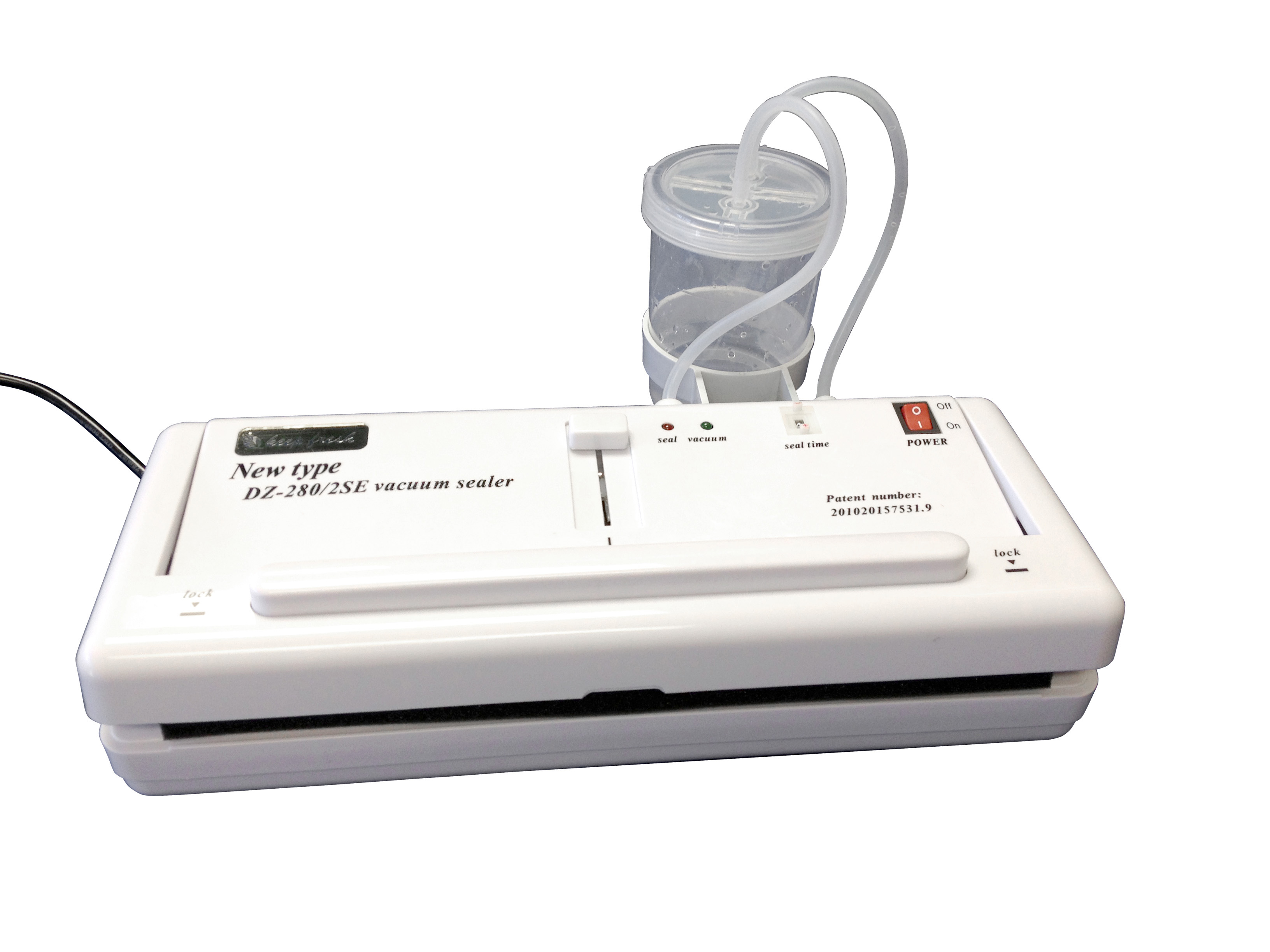
- Vacuum Sealers Explained
- PRODUCT OF THE MONTH: HP-280 Imprinter
- NEW PRODUCT: Clear Stand Up Pouches
- Best Practices for Dealers – Send us your bag samples!
- NEW PRODUCT: ColumnAir Packaging – for packaging fragile items
- How to Seal a Gusseted Bag?
- TROUBLESHOOTING – Impulse Sealers
- Determining the Right Band Sealer
- Videos
- How to Use the SINBO (DZ-280/A) Vacuum Sealer
- MAINTENANCE – for your Hand Impulse Sealer
- Impulse Sealers – How to Achieve the Best Seal
- How to Choose a Heat Sealer
- Introducing Sealers 101
Categories
- Air Pillow
- Automatic Sealer
- Bags & FIlm
- Band Sealer
- Best Practices for Dealers
- Carton Sealer
- Clam Shell Sealers
- Customer
- Direct Heat Sealer
- Distributor
- Donation
- Double Impulse Sealer
- flexible packaging
- Foot Sealer
- Giving Back
- Hand Sealer
- Holiday Schedule
- Imprinting
- Impulse Sealer
- Industry Highlight
- Instruction
- Introduction
- Maintenance
- NEW PRODUCT
- New Products
- Pallet Wrappers
- Press
- Product of the Month
- Sealing Bags
- Shrink Wrapping
- trade show
- Troubleshooting
- Tube Sealer
- Uncategorized
- Vacuum Sealer
- Videos
Tags
aircolumn packaging Air Pillow Auto Sealer bag samples Band Sealer band sealer maintenance band sealers Carton Sealer case sealer cbs-880 channel bags Channeled Vacuum Bags child resistant bags Choosing the Right Sealer clam shell sealers CN-4520A Constant heat sealer continuous band sealer Customer custom printing Direct Heat Sealer Direct Heat Sealers Distributor Distributors Double Impulse Sealer flexible packaging foil gusseted bags foot sealer FRM-1120L Gas Flush / Gas Purge gusset bags Hand Sealer Hand Sealer w/ sliding cutter Hand Sealer with Cutter Heating Element Heat Sealer Holiday Hours Holiday Schedule how to fix a sealer imprinting impulse Impulse Sealers Instruction L-Bar Sealer Long Hand Sealer maintenance medical sealer microswitch mounting spring New Product new products Nozzle Vacuum Sealers PACK EXPO PTFE Adhesive PTFE Cover Replacement Kits sealer repair Sealer Sales sealing coffee bags sealing gusset bags sealing stand up pouches seal width Shrink Bags Shrink Film Shrink Tunnel shrink wrapping stand up pouches tear notch trade show troubleshooting Tube Sealer vacuum bags vacuum chamber vacuum sealer Videos
 sealers101